
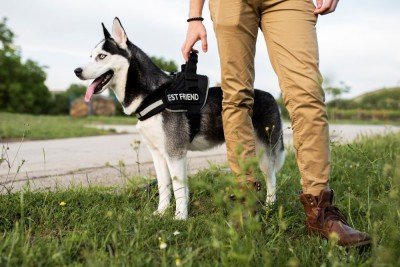
Top Safety Tips for Dog Owners: Protecting Your Pup at Home and Beyond
Dogs bring immeasurable joy, companionship, and loyalty into our lives. But along with that love comes an important responsibility: ensuring their safety. From potential hazards inside the home to outdoor risks and travel precautions, being a responsible dog owner means staying alert to all possible dangers.
In the UK, an estimated 13 million dogs lived in households between 2019 and 2022, illustrating the nation’s deep affection for its canine companions. However, accidents, injuries, and thefts remain common concerns. The PDSA reports that more than 40% of pet owners face unexpected veterinary expenses each year—many of which result from preventable incidents. As veterinary expert Dr. Sarah Hughes emphasizes, “The well-being of our pets is often in our hands, and prevention is always better than cure.”
Home Safety: Preventing Hidden Dangers
A home may feel safe, but everyday items can pose significant risks to dogs. Substances like cleaning products, medications, and even certain foods—such as chocolate, grapes, onions, and xylitol—can be toxic. The Animal Poison Control Centre recorded over 180,000 pet poisoning cases last year, highlighting the need for better awareness.
- Secure hazardous substances in locked cabinets or high shelves.
- Stabilize furniture to prevent tipping, especially if your dog is energetic or if children share the space.
- Protect electrical cords with covers or by routing them behind furniture, as chewing can lead to electric shocks or fires.
Puppies, in particular, are naturally curious and prone to exploring by chewing, so consistent training is essential to prevent accidents.
Outdoor Safety: Enjoying the World Responsibly
Outdoor spaces can be both enriching and risky for dogs. A well-secured garden or yard allows freedom to play while minimizing the chance of escape.
- Ensure fences are high enough and regularly checked for holes or weak spots.
- Avoid planting toxic species such as lilies, daffodils, foxglove, or oleander.
- Remove wild mushrooms, as some can be poisonous to dogs.
The issue of dogs going missing in the UK remains serious, with nearly 5,000 reported between January 2023 and June 2024. Behaviourist Andy Bennett advises, “Secure fencing is one of the simplest ways to prevent dogs from wandering and facing danger.”
If you live in an urban area, consider microchipping and using an ID tag with your contact details to increase the chances of reunion if your dog ever escapes.
Social Safety: Interacting with People and Other Pets
Proper socialisation is crucial to developing a confident, well-behaved dog. Dogs exposed to varied environments, people, and animals during early puppyhood are far less likely to develop fear or aggression issues later in life. According to the Journal of Veterinary Behaviour, dogs socialised before 16 weeks of age are 75% less likely to exhibit behavioural problems.
When introducing your dog to new situations:
- Use positive reinforcement and treats to build trust.
- Supervise playtime, even with familiar dogs, to prevent rough play from escalating into injuries.
- Recognize signs of stress, such as growling, tail tucking, or avoidance, and intervene early.
Well-managed interactions not only improve safety but also enhance your dog’s social confidence and quality of life.
Travel Safety: Keeping Your Dog Secure on the Move
Whether it’s a short drive to the vet or a family road trip, travel safety is essential. Unrestrained dogs can become dangerous distractions and are at high risk in the event of an accident.
- Use a crash-tested harness, travel crate, or car barrier to keep your dog secure.
- Plan regular rest stops for water, bathroom breaks, and short walks.
- Always leash your dog before opening car doors to prevent them from running off unexpectedly.
Research by Direct Line Insurance found that 10% of dog owners in the UK do not restrain their pets while driving, increasing the risk of accidents. Pet safety advocate Helen Smith reminds owners that, “Securing your pet in the car isn’t just about safety—it’s a legal requirement in the UK.”
Emergency Preparedness: Planning Ahead
Being prepared for emergencies can make all the difference. Knowing basic first aid for dogs—including how to stop bleeding, clean wounds, and perform CPR—can save lives. The British Red Cross and other organisations offer pet first-aid training specifically for dog owners.
Create a dog-specific emergency kit that includes:
- Bandages and antiseptic wipes
- Tweezers and tick removers
- Saline solution for rinsing eyes or wounds
- Copies of vaccination and vet records
Additionally, keep your vet’s contact information and the number of a 24-hour emergency clinic saved on your phone. Despite its importance, only about 60% of dog owners in the UK know where their nearest emergency vet is located.
Conclusion
Protecting your dog goes beyond love and affection—it requires awareness, consistency, and preparation. By implementing these safety tips, you can prevent accidents, reduce health risks, and give your pet the secure environment they deserve.
As the old saying goes, “Prevention is better than cure.” With the right precautions, you’ll not only safeguard your dog’s well-being but also strengthen the bond of trust and companionship that makes them part of the family.
Leave a Comment